The quick answer
Read the whole cat and the situation. Kneading often accompanies relaxation; rubbing may be greeting or scent marking. A fast-moving tail, tense body or ears turned back may mean stop. Purring or showing a belly does not automatically invite more touching.
Read more than one signal
Look at the ears, tail, posture and whether the cat can leave freely. A relaxed cat approaching you is different from one that freezes or backs away. Give a retreating cat more space.
Purring can also occur during stress or discomfort. Pupil size changes with light. Compare signals with the surroundings and the cat’s normal behaviour rather than assigning one fixed translation.
Respond gently to kneading and rubbing
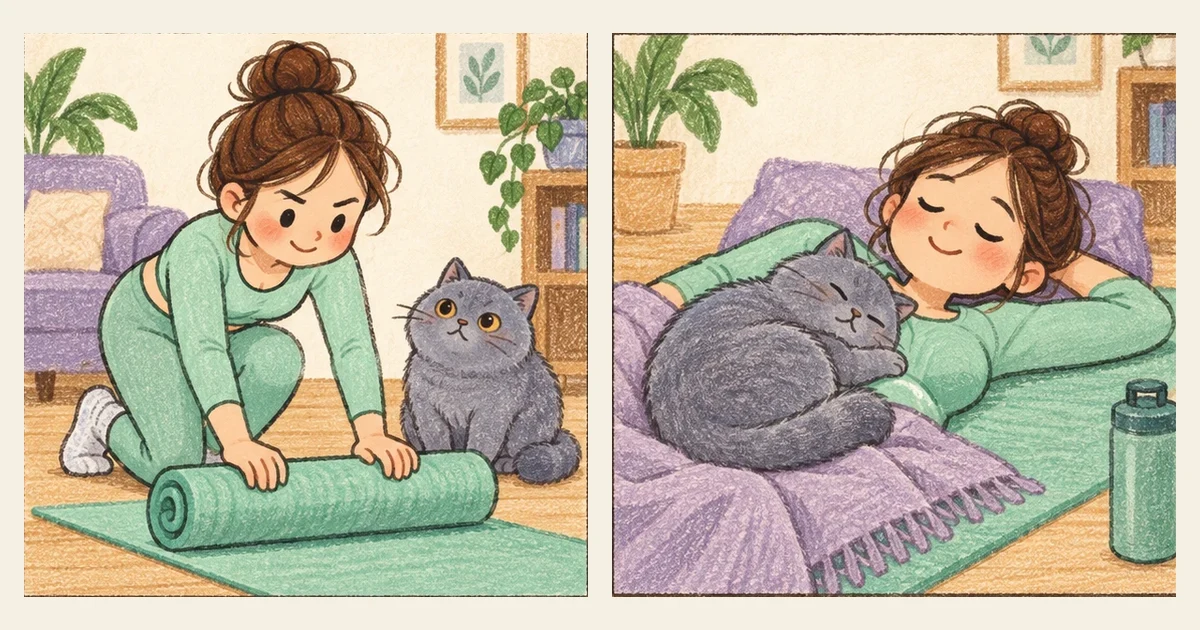
Kneading is linked to kitten nursing behaviour and can appear on a comfortable blanket or near a person. Use thicker fabric if claws hurt and build calm nail-care habits; do not punish the cat.
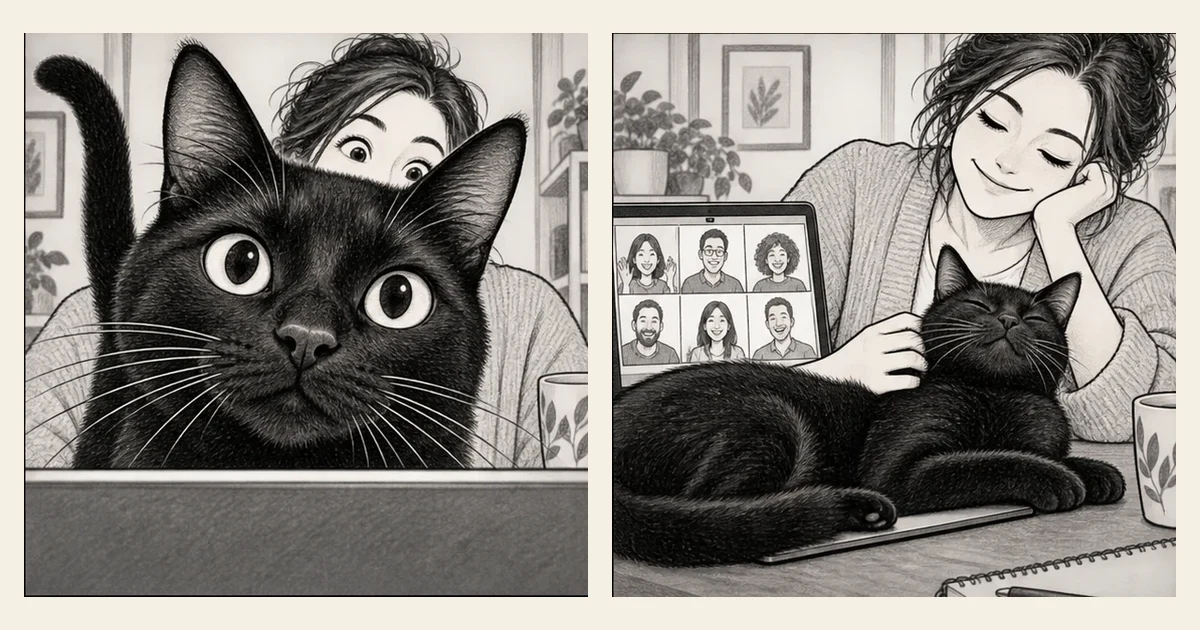
Rubbing can spread familiar scent or request interaction. Let the cat approach, offer a brief stroke around the cheeks or chin, then pause. Continue only if it seeks more.
Stop before play becomes biting
Long petting, unwanted contact or overexcited play can lead to bites. Stop if the tail lashes, skin twitches, ears turn back or the cat looks sharply towards your hand. Do not use hands or feet as toys.
Use a wand toy to create distance and keep play sessions manageable. Do not hit the cat. Clean broken skin promptly and seek appropriate medical advice. Sudden repeated biting or painful touch warrants a veterinary check.
A visible belly is not automatic permission
Rolling over may mean relaxation or stretching, not an invitation to rub the abdomen. Many cats find belly contact uncomfortable. Watch whether the cat approaches or chooses to leave.
Pet briefly and pause so the cat can choose. Predictable routines, play, hiding and scratching options help prevent misunderstandings. A significant behaviour change may reflect pain or stress.
Common questions
Does purring always mean happiness?
No. Interpret it with posture, appetite and circumstances; uncomfortable or anxious cats can purr too.
Does kneading prove it sees me as its mother?
No. It is a familiar comfort behaviour, not proof of a specific relationship.
Should I tap a cat that bites?
No. End the interaction and give space. Adjust play and investigate pain or stress if behaviour changes.
Put it into practice
Sources & further reading
Compiled by the miaomap editorial team using the references below for basic care principles.
General care information cannot replace individual veterinary advice. Contact a vet for illness, injury or sudden unusual changes.