The quick answer
Secure windows and exits, check appliances before use, remove toxic lilies and store medicines, chemicals and string safely. Suspected poisoning or swallowed string needs prompt veterinary advice. Do not induce vomiting or pull a protruding string.
Check openings and hidden spaces
A normal insect screen is not necessarily strong enough to contain a cat. Check secure window protection, balconies and doors, and make an exit routine for deliveries and visitors.
Check washing machines, dryers, reclining furniture and cupboards before operating or closing them. Cats seek sheltered spaces; a quick visual check is safer than assuming yours never does.
Remove hazards instead of relying on “it never eats that”
True lilies and daylilies can cause serious poisoning, including exposure to pollen or vase water. Keep them out of a cat household and verify any unfamiliar plant before bringing it home.
Lock away human medicines, cleaning products and concentrated essential oils. Never give human painkillers to cats. Use products according to their labels and ask a vet about exposure concerns.
Treat string as a supervised toy
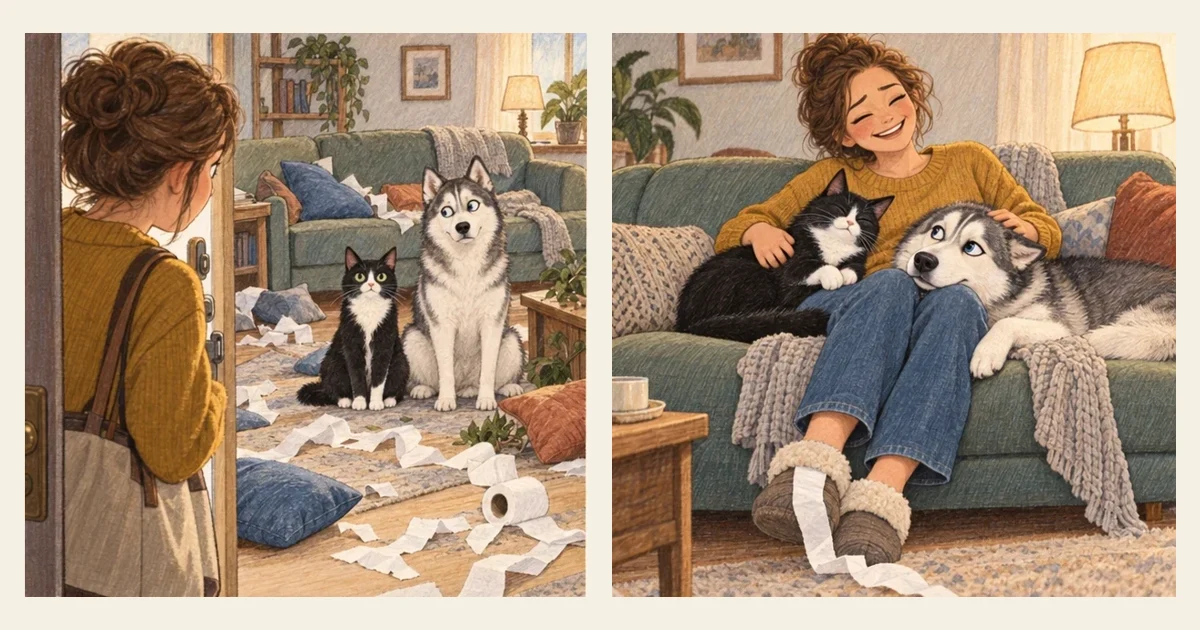
Put away thread, dental floss, ribbons, elastic bands and small swallowable pieces. Inspect toys for loose parts and store fishing-rod toys after play. Supervision matters even when a toy is sold for cats.
If a cat may have swallowed string, contact a vet promptly. Do not pull string coming from the mouth or anus: it may be trapped internally and pulling can cause injury.
Prepare the next step before an accident
Save your usual clinic and an emergency contact, and keep a secure carrier ready. For suspected poisoning, retain the label or take a photograph and note the possible substance and time of exposure.
Do not induce vomiting or offer milk, oil or human medicines as treatment. Follow veterinary instructions; severe weakness, seizures or breathing difficulty needs urgent help. Do not wait for every possible symptom to appear.
- Check windows, doors and appliances.
- Remove lilies and secure chemicals, medicines and string.
- Save emergency contacts and keep exposure details.
Common questions
Are ordinary window screens enough?
Not necessarily. Use securely fitted protection appropriate for keeping a cat contained.
Are lilies safe if the cat does not eat the flower?
No. Other parts, pollen and vase water can also be hazardous.
Should I pull out swallowed string?
No. Seek veterinary advice without pulling a protruding string.
Put it into practice
Sources & further reading
Compiled by the miaomap editorial team using the references below for basic care principles.
General care information cannot replace individual veterinary advice. Contact a vet for illness, injury or sudden unusual changes.